Inquiries
Melbourne Asia Review is a research-based publication of the Asia Institute, University of Melbourne.

A quarterly refereed journal published by the Asia Institute, the Asia research specialists at the University of Melbourne
Edition 25, March 2026
Varieties of Indigenous knowledges in Asia

INTRODUCTION: Towards more durable peace processes
The need to move from episodic conflict management to more equitable peace processes is more urgent than ever.
- Dr Tania Miletic and Dr Niamatullah Ibrahimi
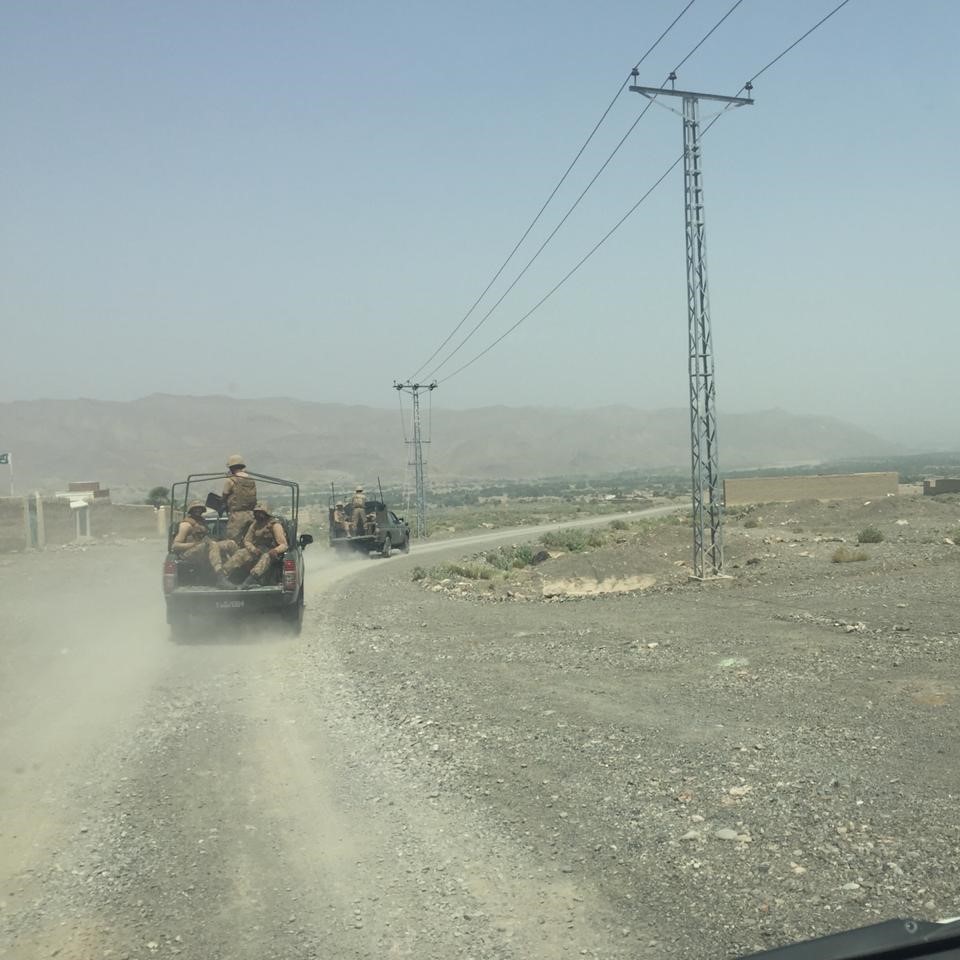
Persistent borderland insecurities and the transformation of violence in Waziristan
Waziristan, located along the Afghanistan-Pakistan borderlands, has long been a major epicentre of insurgency and violence.
- Syed Ali Akash
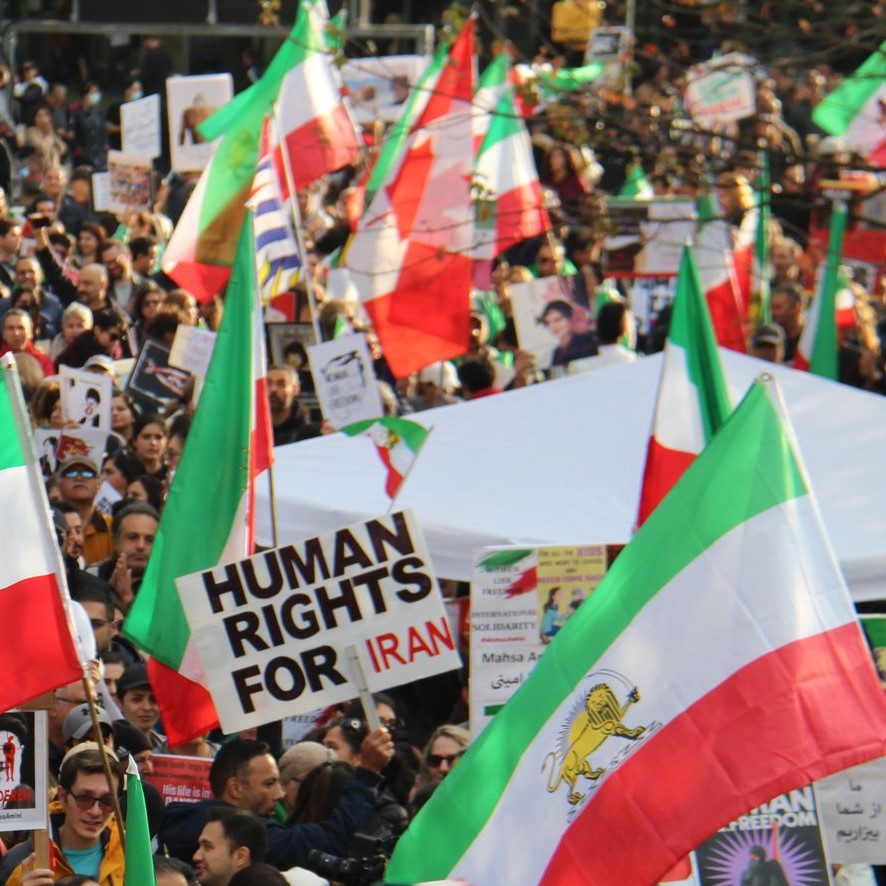
Minoritised groups and the limits of political transitions in Iran and the Middle East
Political transitions in Iran prioritise regime stability, treating demands from minoritised communities as threats to national integrity.
- Davoud Osmanzadeh & Dr Fateh Saeidi
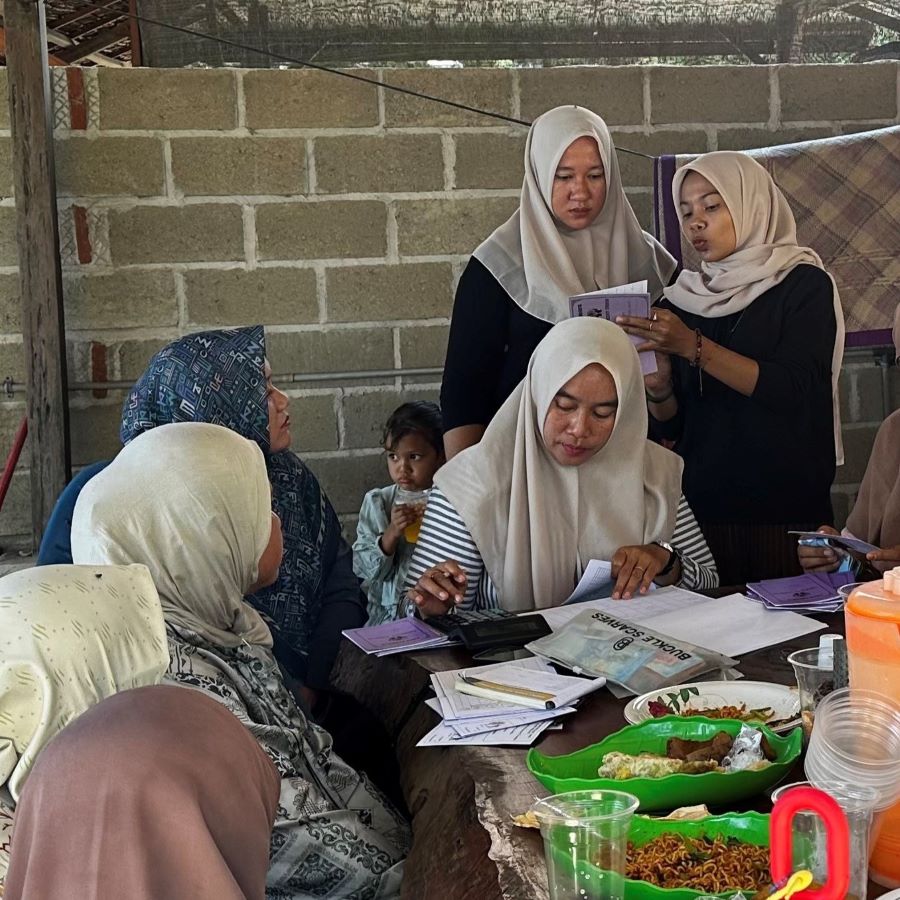
Against the current: Acehnese women’s experiences of post-conflict transformation
The Indonesian province of Aceh is an example of the possibilities and limits of post-conflict transformation.
- Dr Muhammad Ammar Hidayahtulloh & Dr Shelli Israelsen
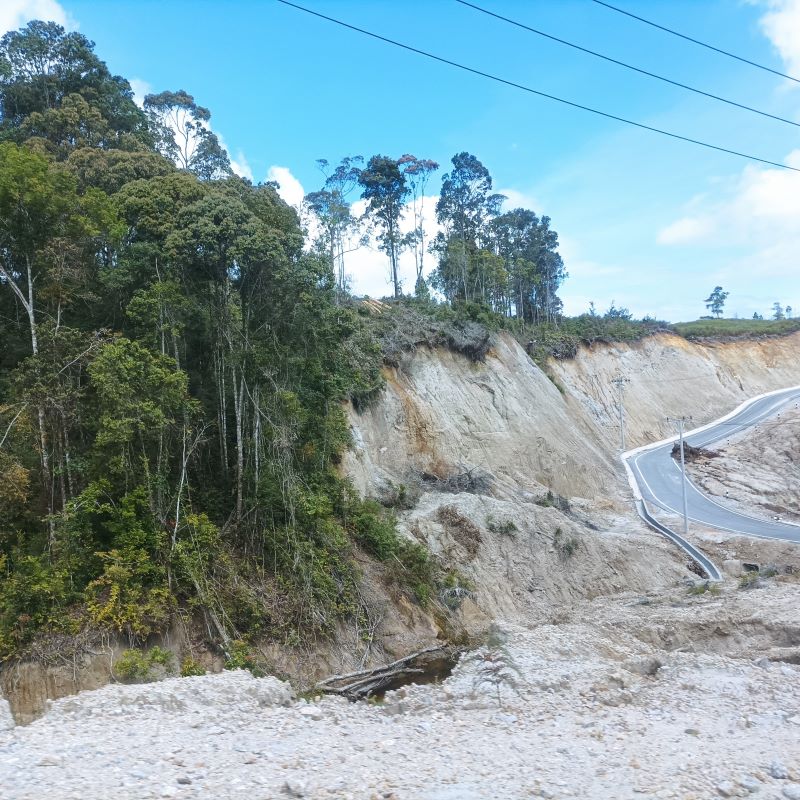
Transforming Indigenous forest conflicts in Indonesia through peace-oriented policy infrastructure
Conflict over natural forest resources is worsening in Indonesia, with deforestation and displacement of Indigenous peoples.
- Atikah Nuraini
Edition 27, September 2026
Conflict transformations in Asia
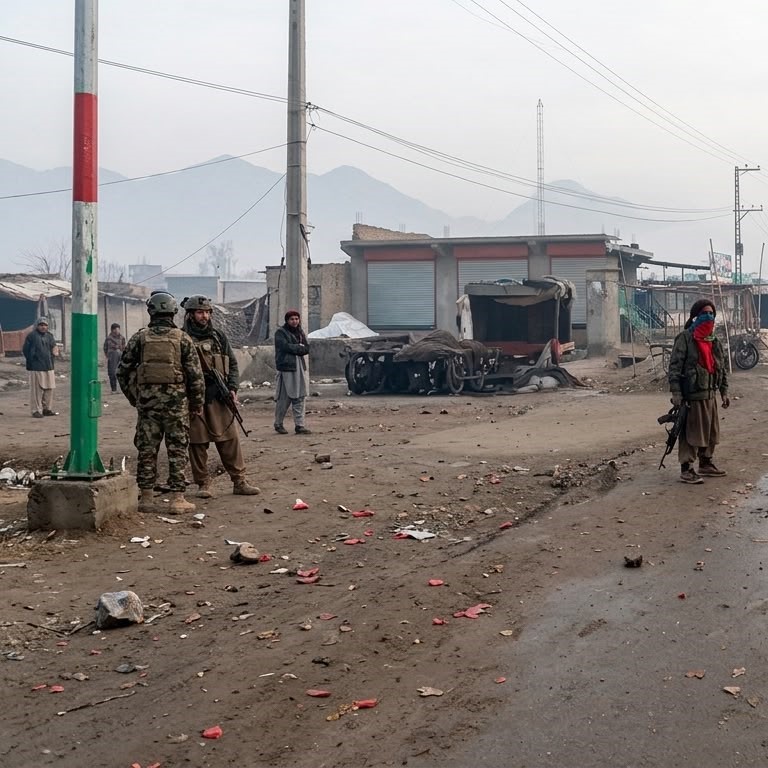
Afghanistan-Pakistan-India insecurity needs to be understood as an interconnected conflict system
Conflict involving Afghanistan, Pakistan and India is a complex interplay involving interstate rivalries, militant insurgencies, and global power competition.
- M. Masoom Stanekzai & Sanullah Tasal
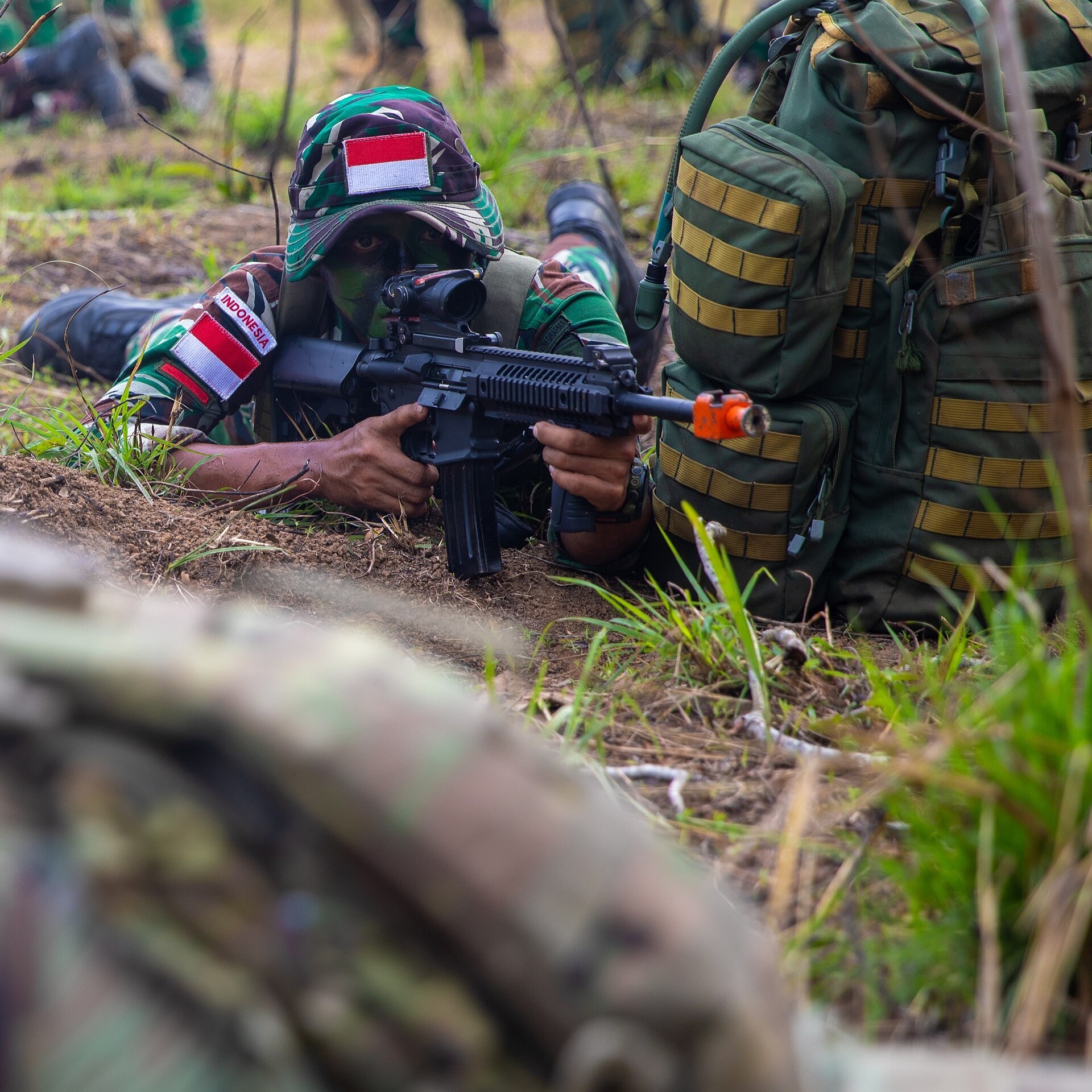
Expanding armies, shrinking peace: Militarisation in Southeast Asia
Several large Southeast Asian nations are increasing their defence budgets and deepening military ties. What will this mean for conflict resolution?
- Su Mon Thant
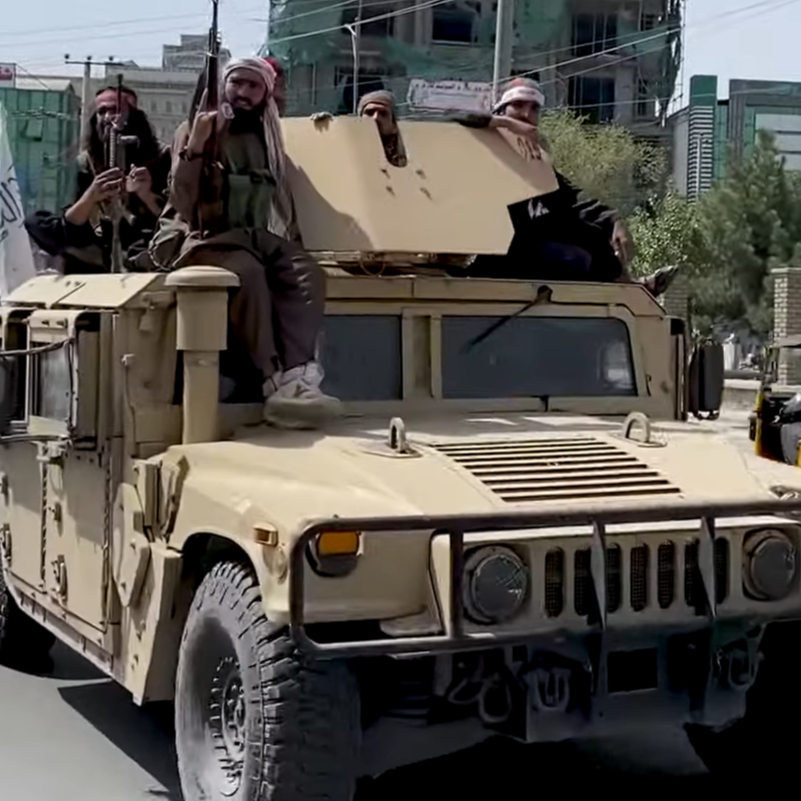
The Taliban’s madrasas: Institutionalising radicalisation in post-2021 Afghanistan
The Taliban in Afghanistan is establishing thousands of new religious schools, which will likely create a generation susceptible to violent extremism.
- Dr Niamatullah Ibrahimi
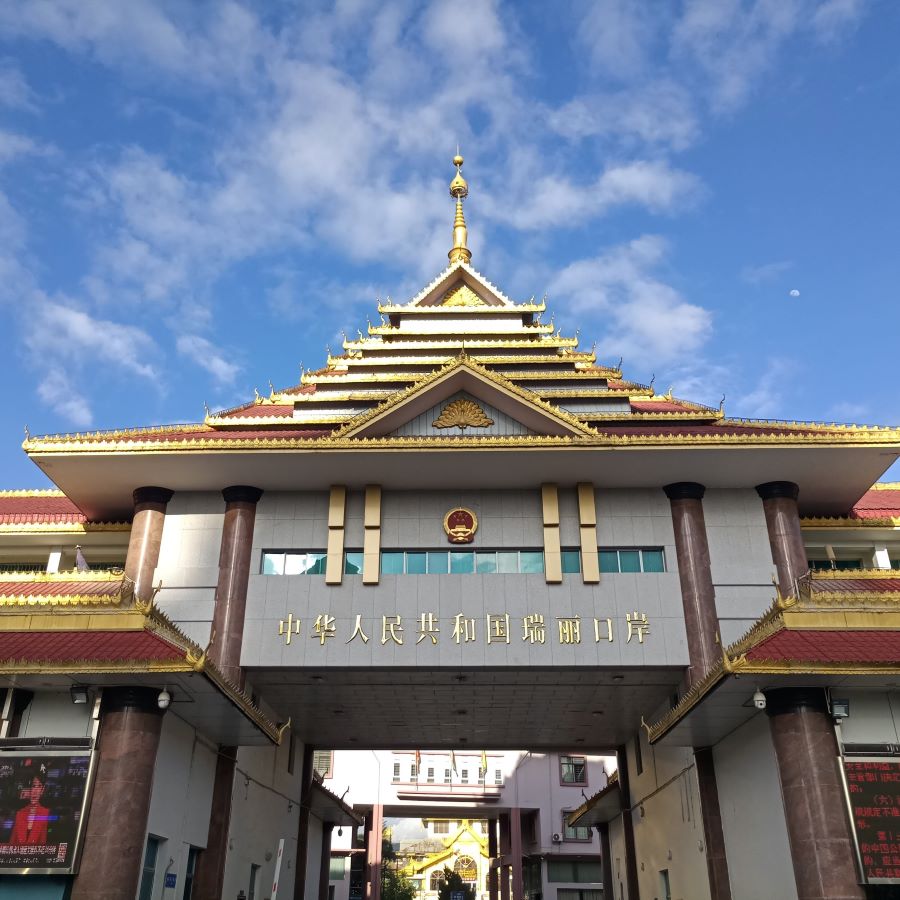
China’s mediation in Myanmar: With mind and muscle
China’s mediation in Myanmar indicates a change to China’s foreign policy away from a stated policy of ‘non-interference’.
- Dr Xuwan Ouyang
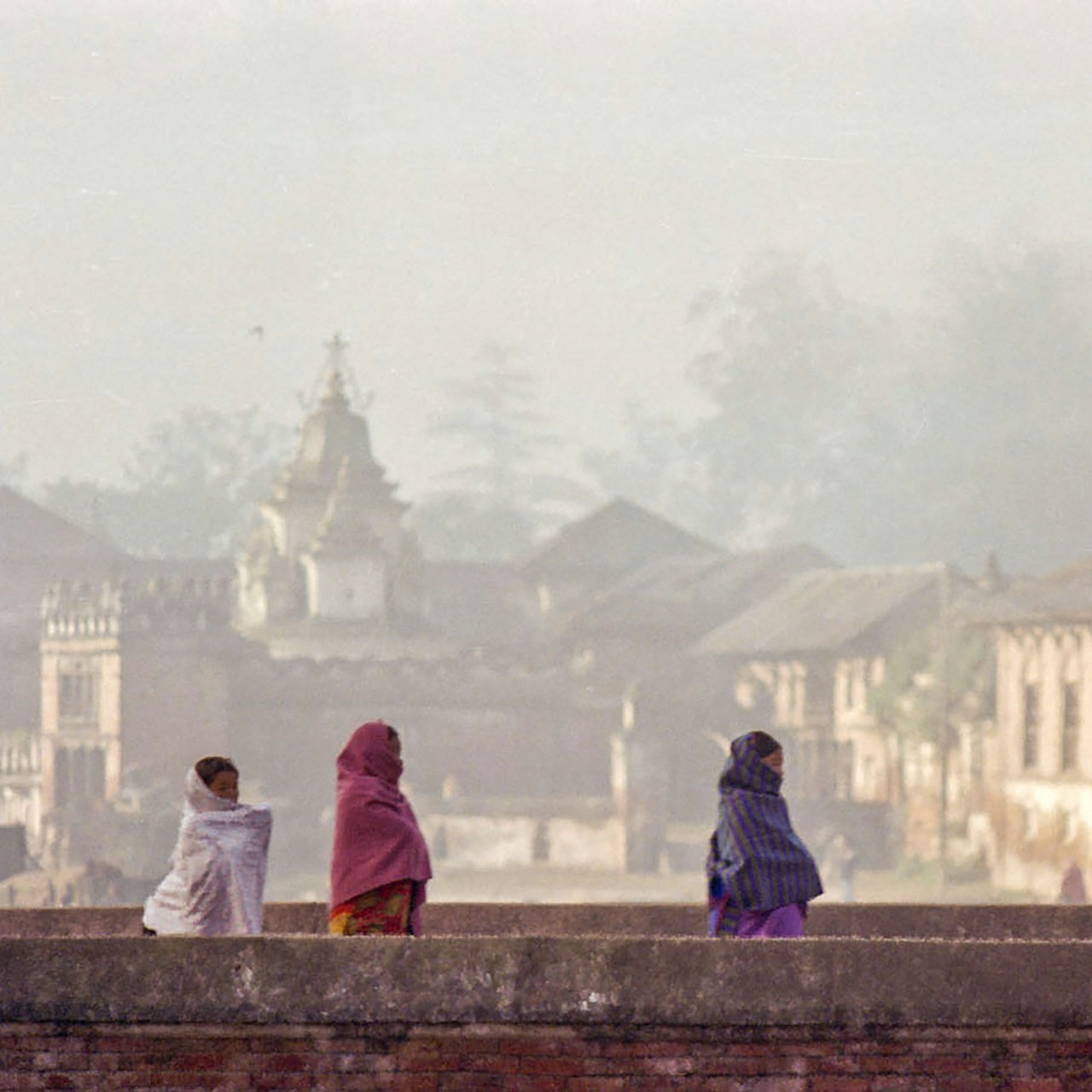
Reimagining transitional justice through survivor-defined knowledge and action in Nepal
How can Nepal build institutions capable of supporting women survivors of conflict-related sexual violence?
- Jaya Luintel
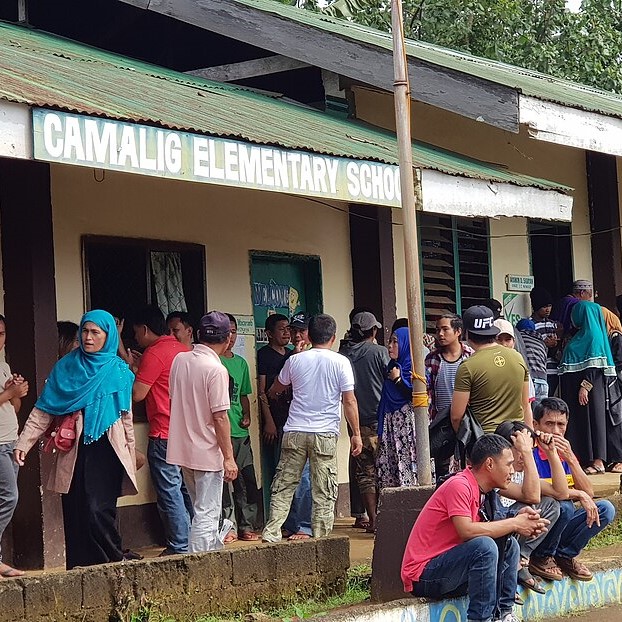
INTERVIEW: ‘People can live normal lives, they can have ambition’
Senior Filipino peace negotiator Miriam Coronel-Ferrer on the strengths and weaknesses of the Bangsamoro peace agreement.
- Prof Miriam Coronel-Ferrer
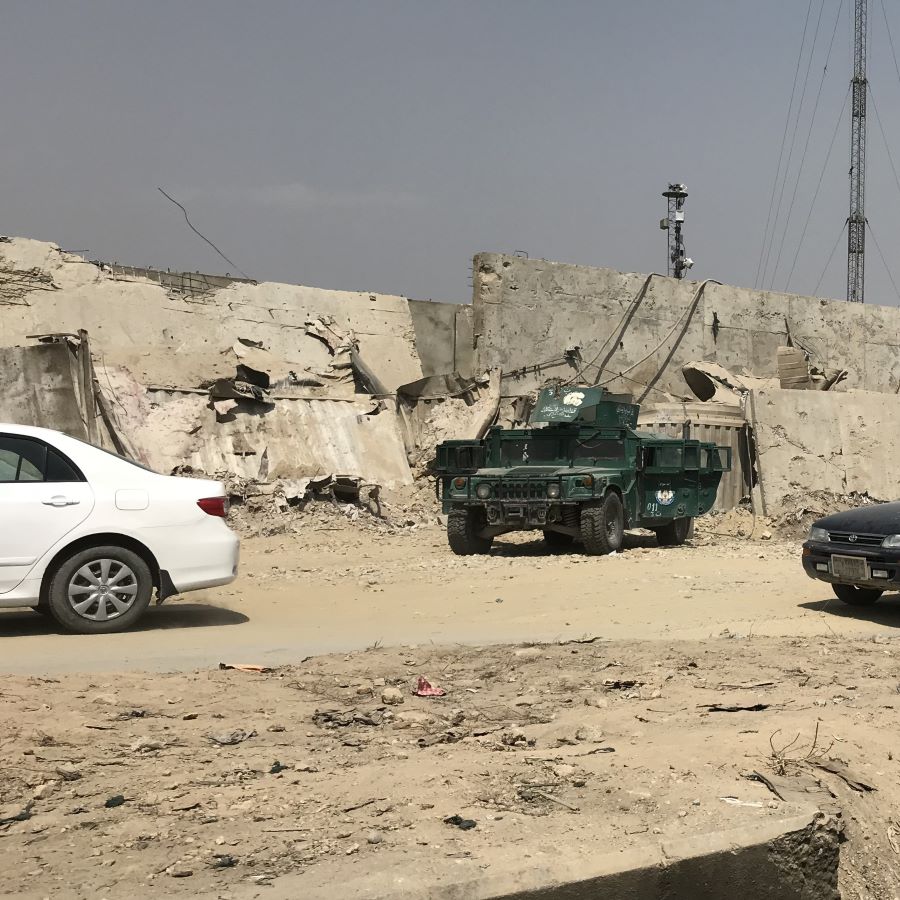
Negotiating peace under occupation: The 2016 Afghan Peace Agreement
Peace in Afghanistan is often portrayed as the product of international intervention. But in 2016 Afghan mediators secured a landmark peace agreement.
- Dr Mujib Abid
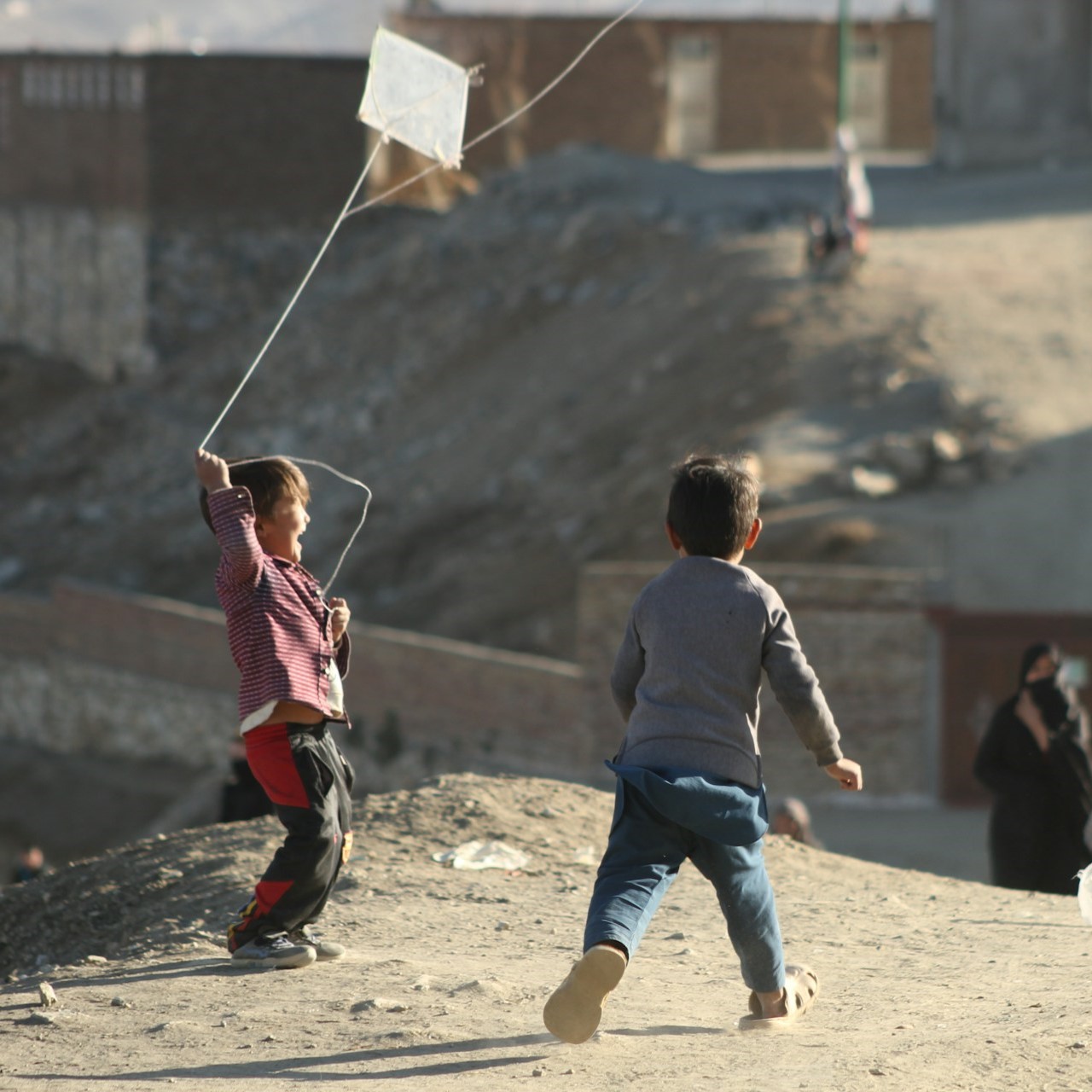
‘Mapping Futures for Afghanistan’, edited By Arif Saba, Abbas Farasoo, Farkhondeh Akbari and Niamatullah Ibrahimi
This book attempts to keep alive hope of a more stable future through political inclusivity, accountability and respect for human rights.
- Talal Raza
Governing for Growth: Democracy and Development in Southeast Asia
Special series with Asialink to mark this year’s Southeast Asia Oration
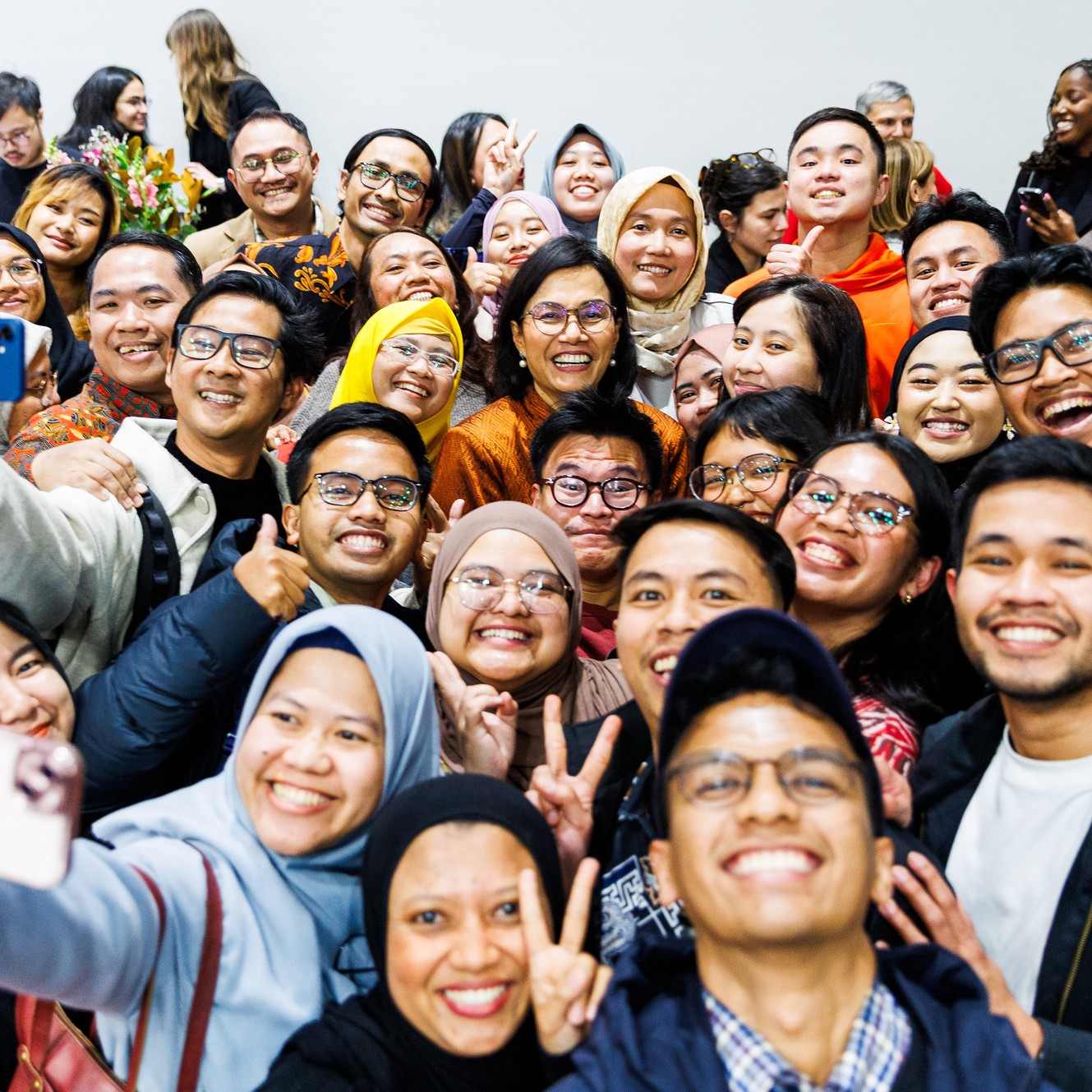
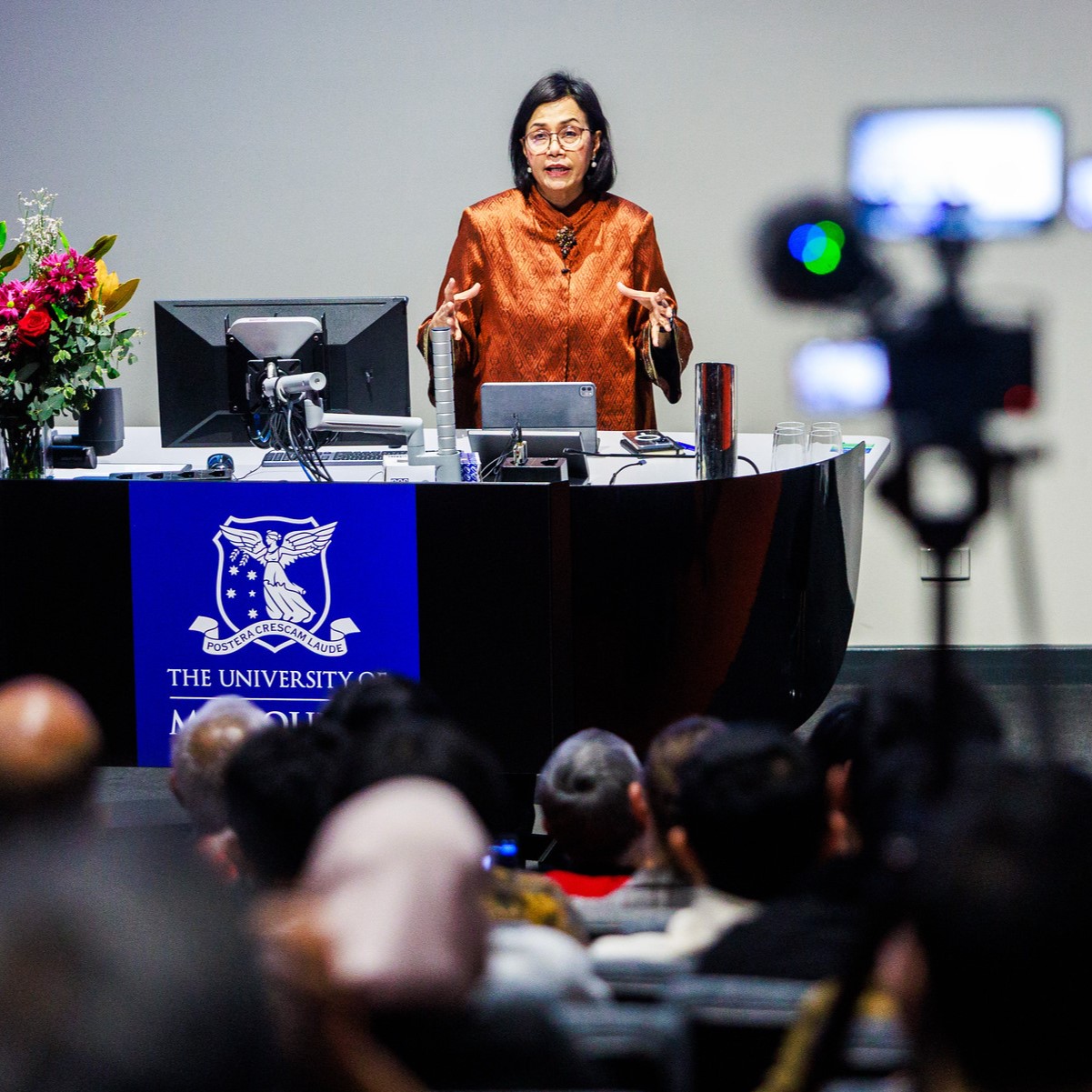
VIDEO: Southeast Asia Oration with Dr. Sri Mulyani Indrawati, August 2026
ASEAN – Avoiding the middle-income trap through cooperation
- Sri Mulyani Indrawati
The long game: Why politics, not evidence alone, drives welfare reform in Indonesia
- Widyana Perdhani
Southeast Asian nations won’t overcome the middle-income trap unless predatory elites stop undermining education and R&D
- Andrew Rosser
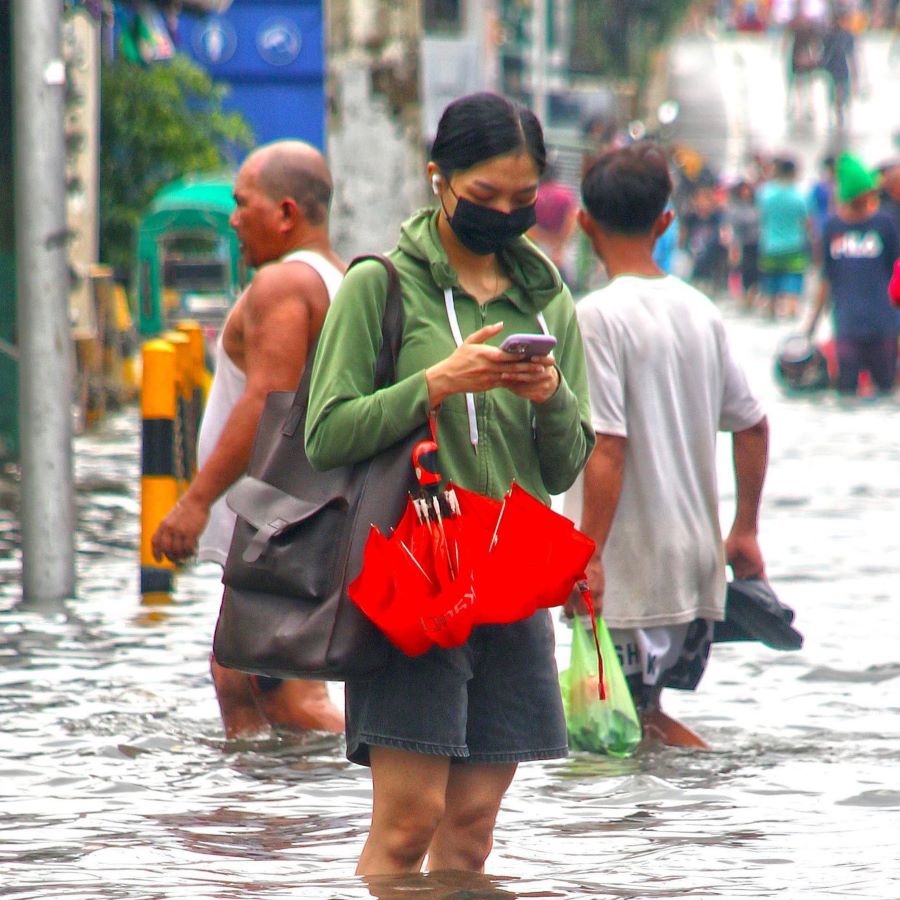
The paradoxes and precarities of Philippine development
- Syme de Leon
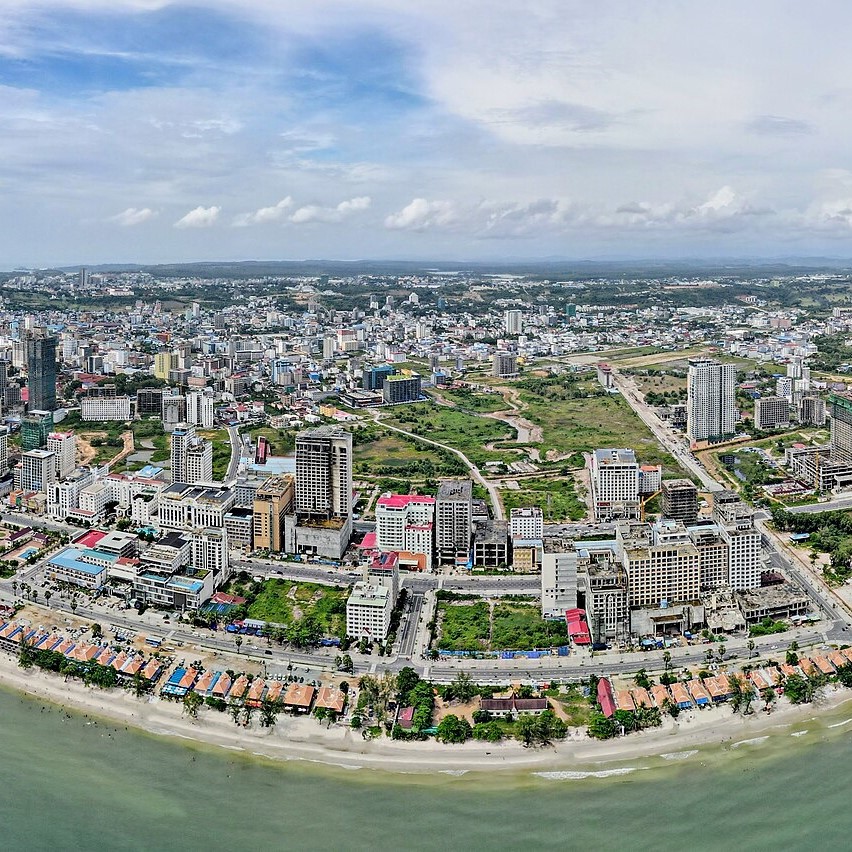
How online scam centres have enabled crime syndicates to infiltrate Cambodia
- Bopha Phorn
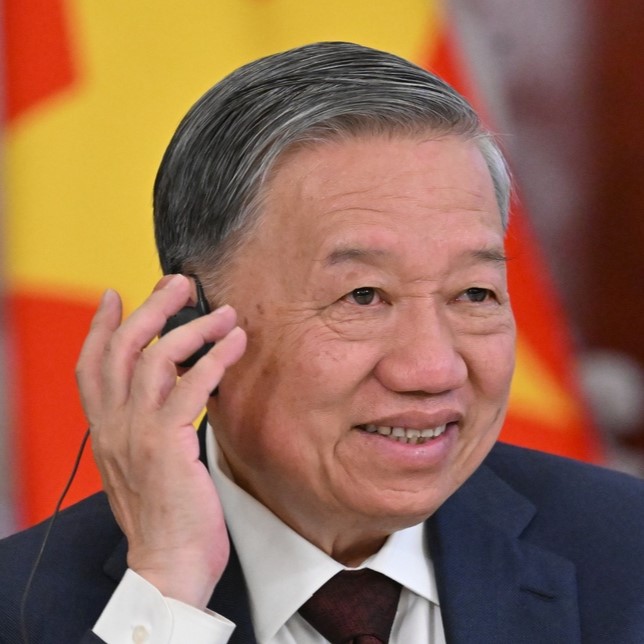
Vietnam’s Institutional Reforms and Anti-Corruption: Still much to be done
- Hai Hong Nguyen

Thailand’s wealth gap is a competition problem
- Dr. Itsakul Unahakate
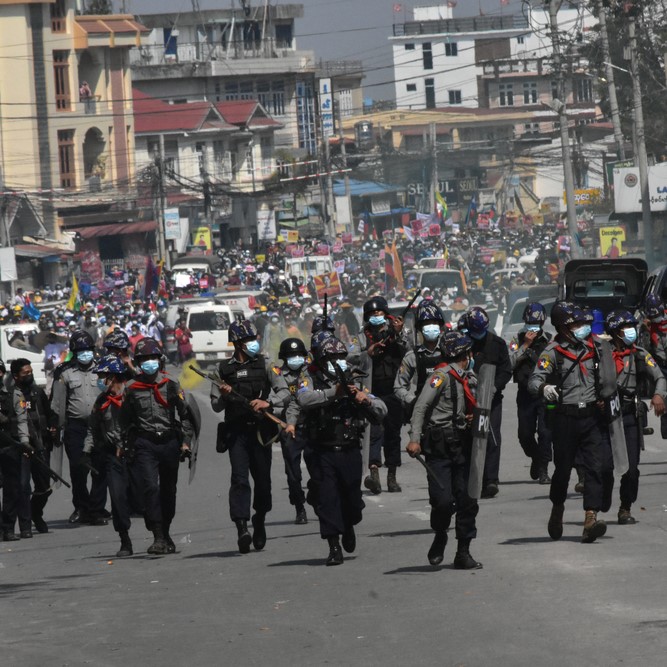
Inclusive economic development in Myanmar cannot be achieved amid ongoing militarisation
- Alec*
The latest Ear to Asia podcasts
Ear to Asia is a podcast series published by the Asia Institute, University of Melbourne, featuring researchers from Australia, Asia and beyond. Each episode explores political, cultural, and social issues across Asia and the Islamic world, offering accessible insights for academic and general audiences alike.
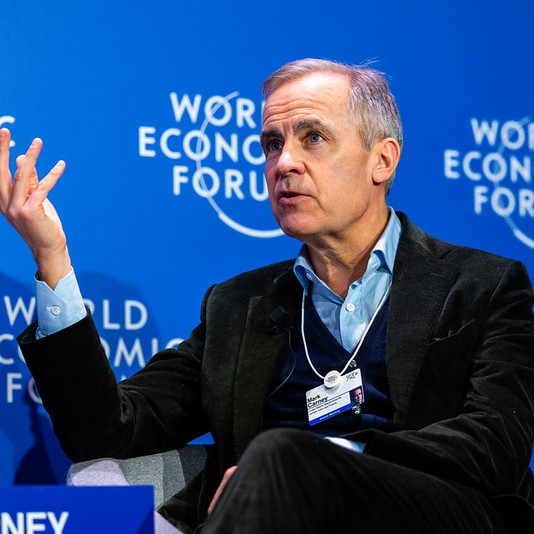
How middle powers navigate economic pressure from the world’s giants
Rethinking empire, extraction and identity in the Pacific: A New

Compound Capitalism: Inside Southeast Asia’s Fraud Factories
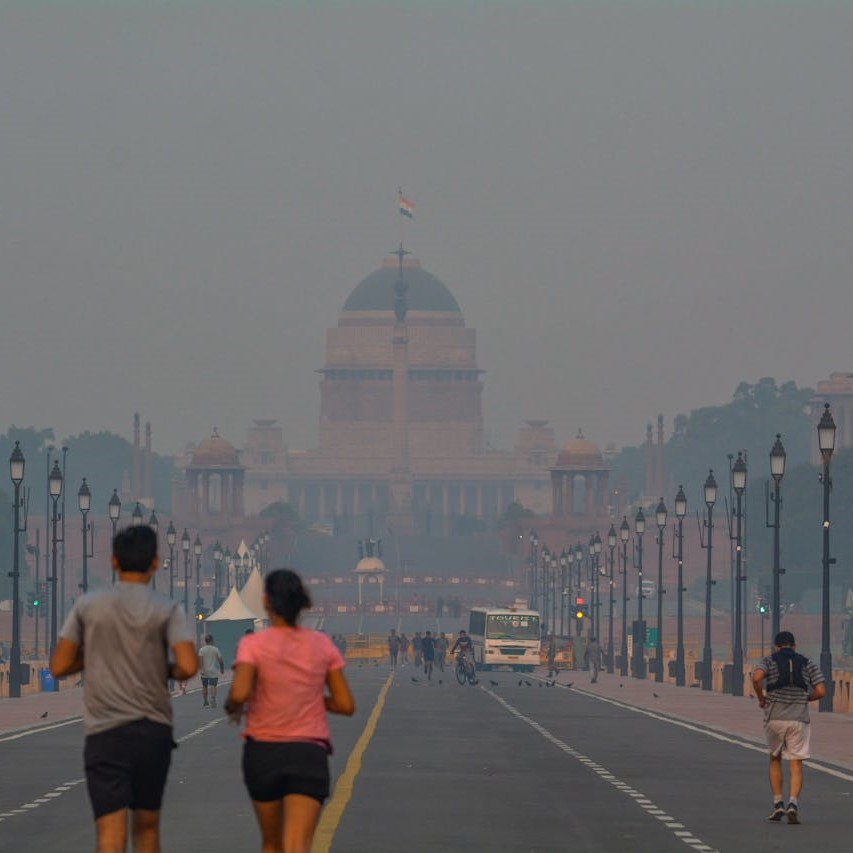
Can India maintain strategic autonomy in the Trump 2.0 era?